Today I have not one, but TWO very special guests! My friends Simona Merchant-Dest and Faina Goberstein have dropped by to talk about their newest collaboration, The Art of Slip-Stitch Knitting: Techniques, Stitches, Projects (Interweave/F+W; $26.99, available here). I LOVE color work knitting and slip-stitch color work is often overlooked. It's great to see a new book on a great technique!

Tanis Gray (TG): You’re both well-known in the industry as fabulous designers. How was it working together on a big project like this, especially being on opposite coats (Faina is in California and Simona is in Maryland)?
Faina Goberstein (FG): Thank you, Tanis. Actually we work very well together despite being so far from each other. Yes, we do have a 3-hour time on our way, but our usual routines do intersect two times a day, so we did not have to change much in our lives for this work. Thanks to emails, Skype, and texting we were able to do it all. Writing was over email. Planning, scheduling and anything visual was done over Skype. We did not have to do it every day, of course, and it felt as a very normal work routine to us.
Simona Merchant-Dest (SMD): Working together is relatively easy, especially in terms of what the content and concept of the book is. We have very similar taste, we like similar styles, we are both detail oriented and math minded people. We also like each other and enjoy each others' company, which is a big plus. I have the highest admiration for Faina and treasure her as a close friend. The slightly tougher part is to coordinate times when we could actually work together. With the first book, Faina was still working full time and I had more time to keep the project going. This time around our roles reversed, Faina retired and was keeping this project on track. The technology made our working together easy. We can Skype, share screens and work together at the comfort of our own offices in opposite sides of the country.
TG: When you sat down together to plan this book out, were the roles clear (as in, for example, Simona is better at _____ and Faina is better at _____) or was everything worked on together? How was the work split up?
FG: We definitely approached the work on a book as our team project. The most useful thing we did for ourselves was the very detailed outline for our proposal. At the beginning of the project after the proposal was accepted, we tweaked the outline just a little bit to suit our vision for this book. After that we each chose what we wanted to write about and for which stitch patterns in the dictionary part of the book we will write instructions, make swatches, and charts. Although we have similar aesthetics in our designs and get excited about each other’s ideas, it works for us to design separately. We split the number of designs that you see in the book right down the middle and each of us worked on chosen design. It was a lot of fun to see what each of us came up with.
SMD: When we decided on a topic, we both came with several ideas of how we want the book to look like. We agreed that many times slip-stitch may be presented in an outdated fashion and it might have been the reason why slip stitch has gotten slightly overlooked. We agreed that this stitch deserved a new, fresh modern look. We wanted to present it in depth to help knitters let their inner creative juices flowing and allow them to discover the beauty and the vast possibilities slip-stitch has to offer. Our actual producing the book, its contents and choosing projects is a collaborative effort. Each project serves it's purpose in presenting the ideas and techniques introduced in the book. The production and shaping of the book is more of a discussion and bouncing ideas off of each other, which makes it for a better book at the end.

TG: Slip-stitch knitting is often overlooked in the knitting color work category, yet it’s one of my favorite things to knit! How did you go about using this book to educate people on this technique?
FG: I agree. Many people think about slip-stitch knitting either in terms of mosaic knitting or a very traditional knit, purl, slip with the yarn in back combination for color work. Both of these are in our chapter of traditional stitches. We also made sure to give an equal attention to patterns worked in one color. Besides this, we have 3 more chapters where our classification of slip-stitch technique continues to woven, reversible and fancy stitches. At the beginning of the book we talk about what is slipped stitch and how to use it for slip-stitch knitting. There are plenty of illustrations, step-by-step explanations, and very fun exercises of reengineering stitches. We also talk about suitable yarns, gauges, and so much more. All this will help to our readers with perfecting the work in this technique. I think this is a simple and very effective technique that produces beautiful textures. Any knitter who is new to this is going to be hooked right away.
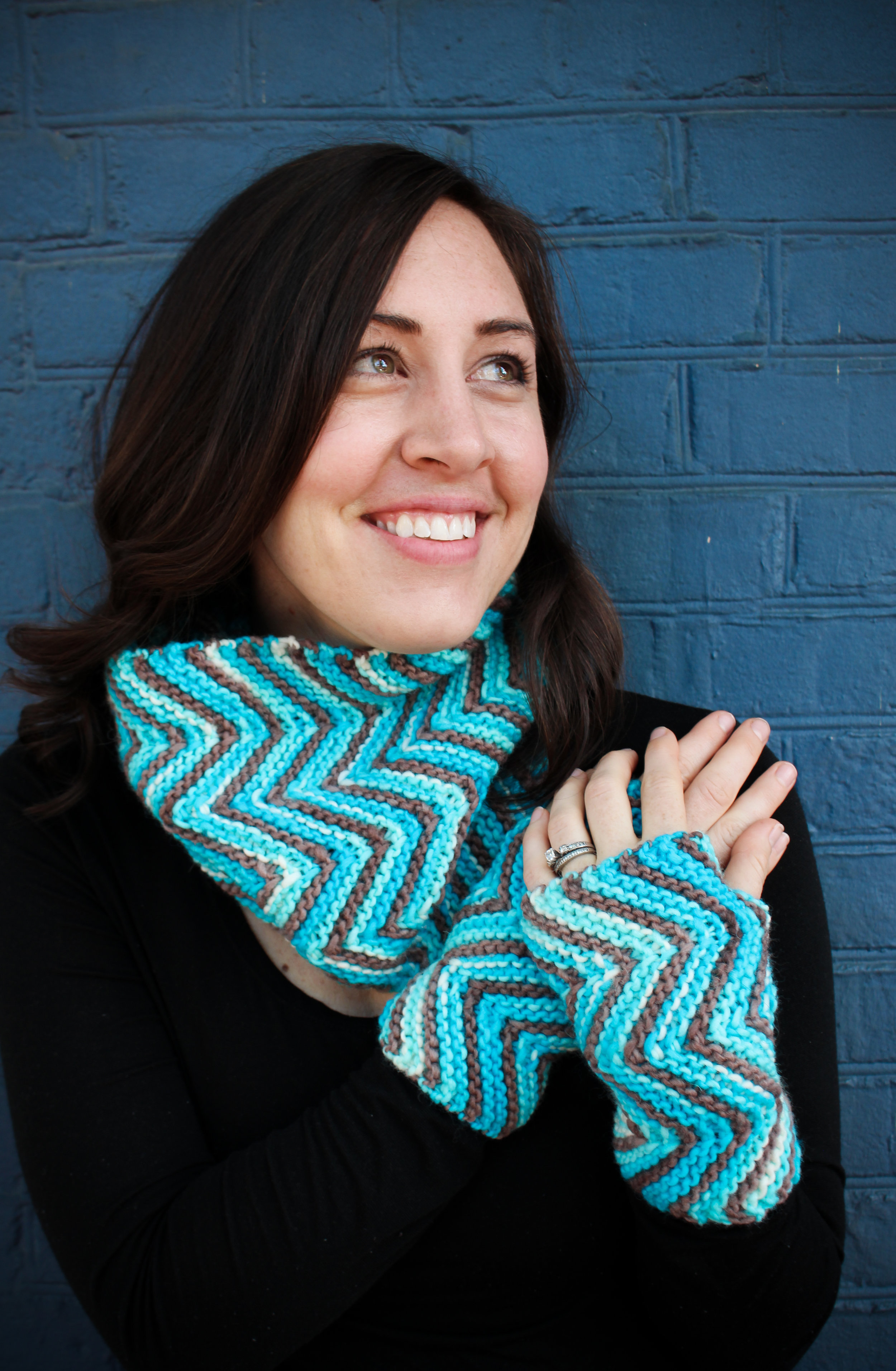
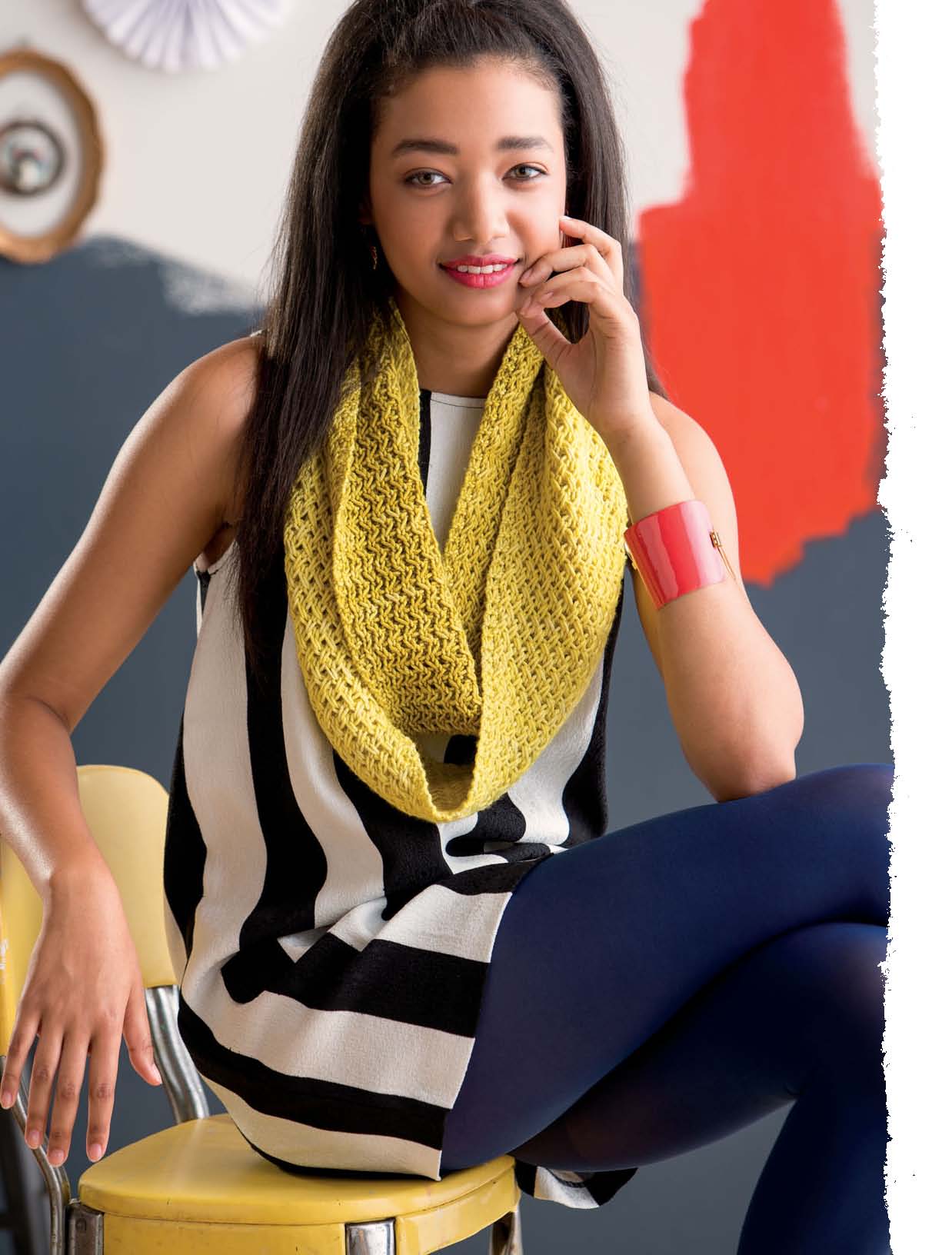
SMD: We wanted to re-introduce the slip stitch as something fresh and stylish. Slip stitch can add a splash of color, an interest, an unexpected element to a project. It has so many possibilities. Slip stitch can produce both color work and/or texture. Also it is incredibly versatile. By changing one element in a given slip stitch pattern, you can change the whole look of it. We show our readers how you can do that in order to create your own unique stitch patterns by changing different aspects of the slip stitch pattern. One of the nice element of slip stitch is that it can produce reversible fabric with unexpected results. One of my favorite reversible patterns in the book is the Zlatý Déšt' cowl pattern; it is not only reversible and airy, but strikingly unexpected (zigzag pattern on one side and cross-like pattern on the other side). And it's a simple 4-st repetition pattern at that.

TG: Slip-stitch knitting has many different techniques, all seen in your book. What do you like most about it?
FG: All of it is intriguing and unexpected. With change of color, yarn thickness or changing a pattern just a little, you suddenly see a different texture. They are as beautiful in solid or multicolor work. You can explore those changes forever. I am obsessed with it! I feel that these stitches are telling us a story.
SMD: There is a lot to like about it. My favorite thing is the unbelievable versatility of this stitch and the striking, unexpected looks it can produce. I like the endless possibilities of changing different elements of a stitch pattern and coming up with a totally new ones with surprising looks. I think that is the most fun.

TG: My favorite thing about your book is it is part stitch dictionary, part project book. Did you prefer one part over the other (as in, it’s more fun to design garments or it’s more fun to compile a stitch dictionary and do the more technical writing)?
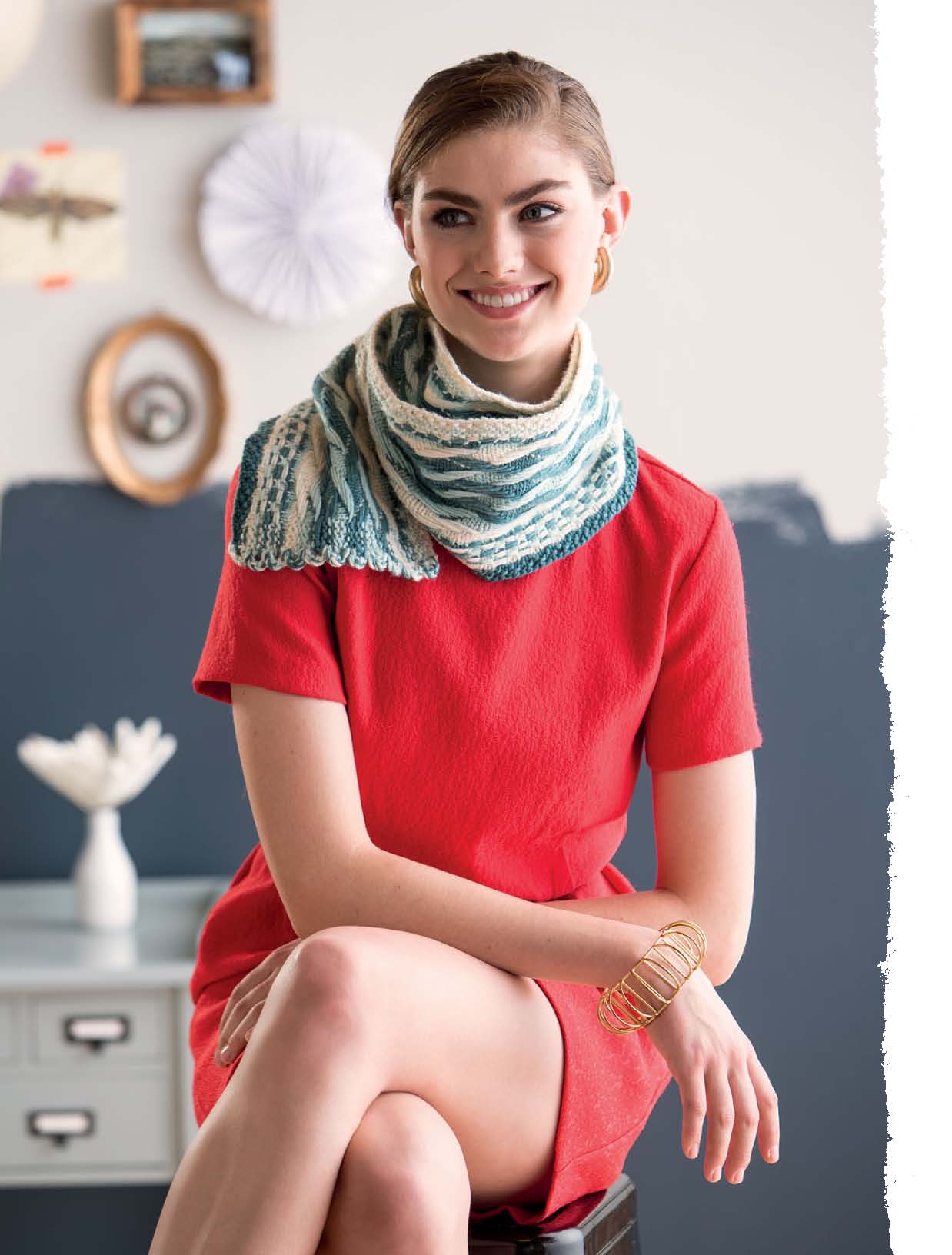
FG: I loved that we have a dictionary of stitches as part of the book. We only were able to use a small percentage of stitches that we wanted to put in the book. There is just not enough room for it. I also love that we had simple projects that showcase slip stitches. I think it is important to illustrate how and where to use those stitches. It was a lot of fun to do both and we wanted to revive slip stitch in a very fresh and contemporary approach. We are also showing the other side of the swatch for most stitches. It is a very helpful tool.
SMD: I liked both parts equally, but creating the stitch dictionary was new to me and a lot of fun. What was harder about working on the stitch dictionary was to narrow down the stitch patterns, which we would showcase. Once you start working on a stitch pattern, by "playing" with the stitches and and re-engineering the stitch patterns, there are so many possibilities! Since we wanted to present a wide variety of the slip stitch patterns - from the classic ones to new ones - we had to narrow it down. As far as the projects, we wanted to offer patterns that would be representative of the topics and the techniques covered by the book. We wanted to provide the knitters with patterns for every level of difficulty and give knitters the opportunity to use what they have learned and end up with a nice project at hand. Each part of the book can be used independently of each other.
TG: The garment on the cover, the Cekanka Jacket, is stunning, and so is the Kromka Hoodie! Check out those color palettes! Did you both choose the colors throughout the book to create a “look" or was each person responsible for their own garment color choices?
FG: We did work together on color choices. At that point we had our sketches and we knew what we are looking in the yarns to work with the design idea. We were so grateful to all the yarn companies for having so many color choices and being so generous to us. Slip stitch is pretty finicky in terms of colors. I talk about this in my classes and show many swatches when colors work or don’t work together.
SMD: When we were choosing the colors, first we each had our own idea of the color palettes for each of our own designs. But each of us had to keep open mind about the color choices. At the end we wanted the book to be coherent and not have two projects with the same color scheme. We consult with each other before we finalize not only the color palettes but also the yarns. We want to have a broad variety in yarn selection as well as to have a coherent, and nicely designed collection color-wise.

TG: Favorite garments in the book?
FG: All of them :) Each represents something different. If I have to choose, I love my scarf Volna, hoodie Kromka, Simona’s pullover Svitáni, and cowl Zlaty déšt’. No, really, it is hard to choose.
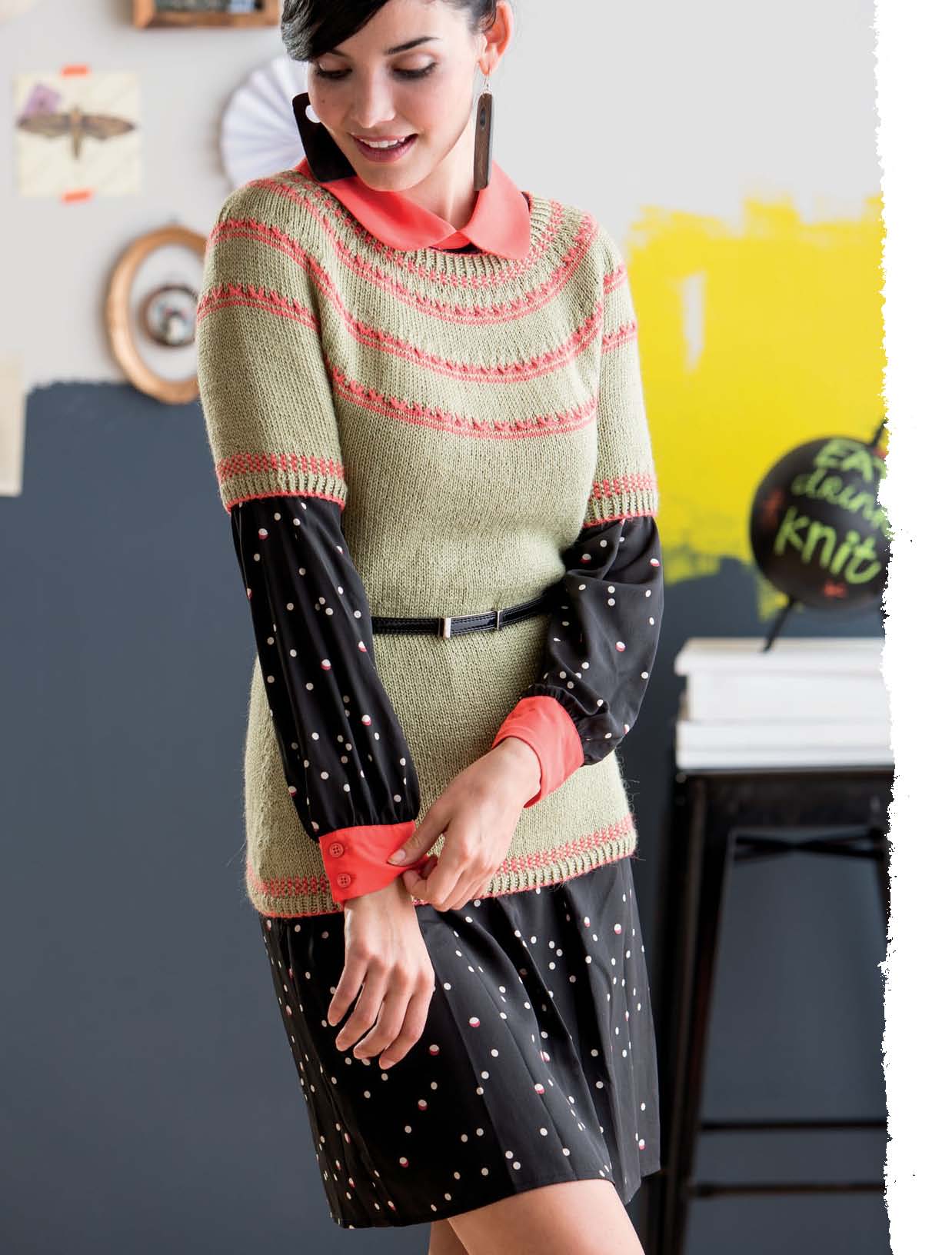
SMD: That is hard question. But if I had to choose, my favorite Faina's garment is the Kromka hoodie and Nebo pullover, and the Gobelen bag accessory. I love mine Cekana jacket, Svitani top and Zlaty Dest cowl.
TG: I didn’t know much about woven slip-stitch and it creates a really beautiful texture and look. I’m dying to cast on for the Spiral Hat! What’s your favorite slip-stitch technique and why?
FG: I love them all, really. If I have to choose, it would be the woven type of slip stitch. I feel that I am practically painting with stitches while making the project. It is very easy to modify and get almost completely different look of the resulting fabric. It is impossible to go wrong with it. Also, I am very interested in tuck stitches that belong to the chapter of fancy stitches. There is still a lot to explore.
SMD: Again this is a tough question because there's so much each technique has to offer. I like to use slip stitch for color work to obtain the look of Fair Isle. I always liked the Fair Isle look, but the technique of carrying over and working with multiple yarns was "too slow" for me. That's where use of slip stitch comes in hand; it speeds up the knitting and helps with even tension. My other favorite is creating texture that makes you pause when you look at the fabric and say to yourself "how was this made?" Great examples are the fancy stitches.

TG: You’re both European-born, but live in the US. I really liked that the project names were a nod to your birth countries and thought it was cool that you had the pronunciations in the back. You mentioned in your book introduction that a lot of these techniques are seen more in Europe. Can you tell us more about that?
FG: Growing up in Russia I saw many knitted projects where slip-stitch was used to some extent. They were made in different parts of then Soviet Union, Bulgaria, Romania, Poland, Czech Republic, Finland, Turkey and many other countries. I still have some old books in Russian and Simona had hers in Czech that have plenty of slip stitches. The biggest problem I always had that none of the books I know had a very comprehensive and focused slip-stitch dictionary. These stitches were under many different headings anywhere from textured, fancy, or color work stitch patterns and were lost in the pile. I strongly believe that they are interesting enough to be in their own group. As a designer, I want to be able to open the stitch dictionary and see these stitches in one place with the wrong side shown. Thanks to Barbara Walker, we have many of them in the slip-stitch section of her Treasury of Knitting Patterns and in her Mosaic Knitting books, but it is so much more out there.
TG: This is not the first book you’ve partnered on. Can we hope there’s another coming down the way? :) What’s next for you both?
FG: Yes, this is our second book together. The first one, The Art of Seamless Knitting, was published in 2013 (also by Interweave Press). It was very well received and people are still interested in the wealth of unique information it has. It was fun working together on these two projects. We became closer friends during this work (sometimes you hear that it can be the opposite :) ). You never know with us what to expect next. At the moment I concentrate on teaching and designing. I fully retired from teaching mathematics at the college and am teaching a huge variety of topics at guilds, local yarn shops and bigger events. You can see what I am up to on my website Faina’s Knitting Mode where you can also sign up for my newsletter.
SMD: As Faina said, we keep our doors opened. We enjoy working with each other very much and that's a big plus. Besides producing a valuable work, we get to spend the most time together when we work on a project. :) At the moment, though, we both are very busy with separate engagements, as Faina is teaching extensively and traveling. When we have another great concept in mind that would enrich the knitting community, we make sure to come together and make the decision when the time comes.
Thanks, ladies! Get your copy of Simona and Faina's new book here!